



When I was in primary school or even when I became a young adult, I had few friends of my age. They used to be my neighbours, or classmates. Obviously, they were not many, but they were my good friends and I used to pass most of my free times with them, playing, gossiping, going on walks. I was just thinking few days back that I never had a feeling of fear with them that what they will say if I wear this or do that thing or talk in certain specific manner. We used to have verbal fights and may not speak for few days, but we used to forget all this in few days and will again mix up with and laugh hugely and enjoy their company. I remember I used to wait for the evenings when I will go to the park in front of my house and meet my friends and enjoy and paly with them. There used to be no plans but still we used to enjoy. I was just thinking that I never had a thought of validation of my action.
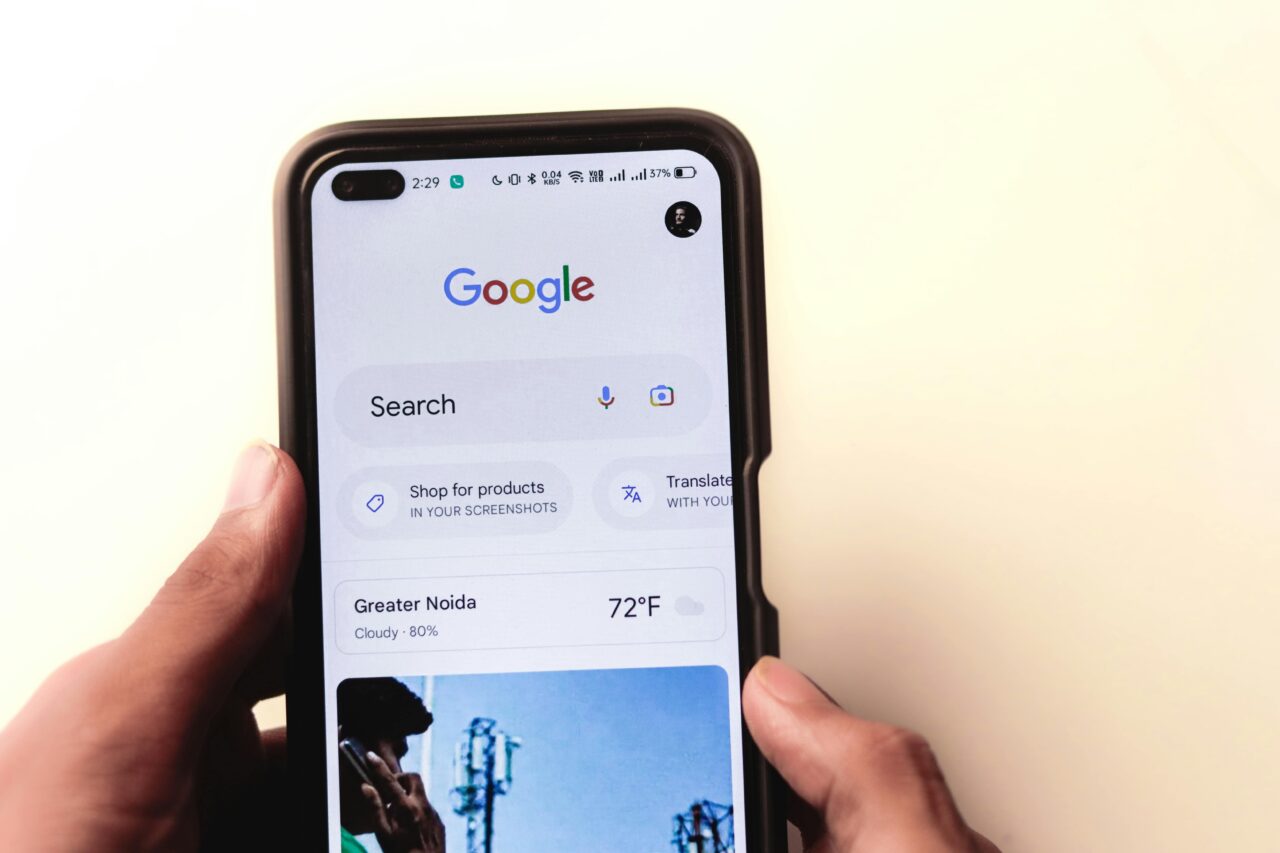
Now, if you ask any one who is your best friend, without whom you will not go any where , not even to toilet. I feel, you understand our biggest friend is the mobile phone. We have attached our self-worth to it. And it is not cell phone, it is in our social media contacts through the phone.
In the digital age, a large part of our self-worth is increasingly tied to how others perceive us online. Hoping for likes, shares, and comments. While this interaction seems harmless, it often pushes us into what psychologists now call the validation trap.
What Is the Validation Trap?
The validation trap is the tendency to seek external approval to feel worthy, valued, or successful. On social media, this shows up as- Comparing one’s life to others’ and creating a false standard in others actions. This is dangerous. It turns us into performers seeking applause rather than people living authentically.Why Is It So Addictive?
Social media operators get their revenue by increasing their subscribers and watch time. They are designed to be addictive by triggering dopamine release — the brain chemical associated with pleasure — every time we receive positive feedback. Over time, we become conditioned to seek these hits, leading to:- Reduced self-esteem when posts don’t perform well
- Fear of missing out (FOMO) when we see others’ curated lives
- Anxiety and stress from feeling the need to constantly project a perfect image
The Illusion of Connection
Ironically, while we have false feeling of being more “connected”. This validation-driven interaction is often shallow. You cannot share your true feelings, fears, sttrange illogical thoughts to any one in confidence, which I remember that I could do with few of my close friends and they will also have moments to share with me and feel relaxed. Making me feel authentic and relaxed. The present scenario prevents us from forming real, honest relationships. The result in such moments of frustration is mindless scrolling and seeing rapidly changing reels. We get diverted, feeling better temporarily, the social media platforms win in their objective but in the long run we become more vulnerable.Breaking Free from the Trap
Here are a few ways to reclaim your mental space:- Check Intentions: Am I looking for approval of others.
- Clarity in your values: I am clear about my stand on anything; is it value based? Does it align to my meaning and purpose in life.
- Digital Detox: reframing from too much dependency on phone and social media.
- Live Authentically: Living a life of meaning and purpose and making phone and social media as only tool of your ultimate objective of being a good human being.
- Build off-line Connections: The validation from a real hug or conversation is far more fulfilling.
- Practice Self-Validation: Learn to affirm yourself internally. Journaling, meditation, and therapy can help build inner confidence that doesn’t rely on social media.

